

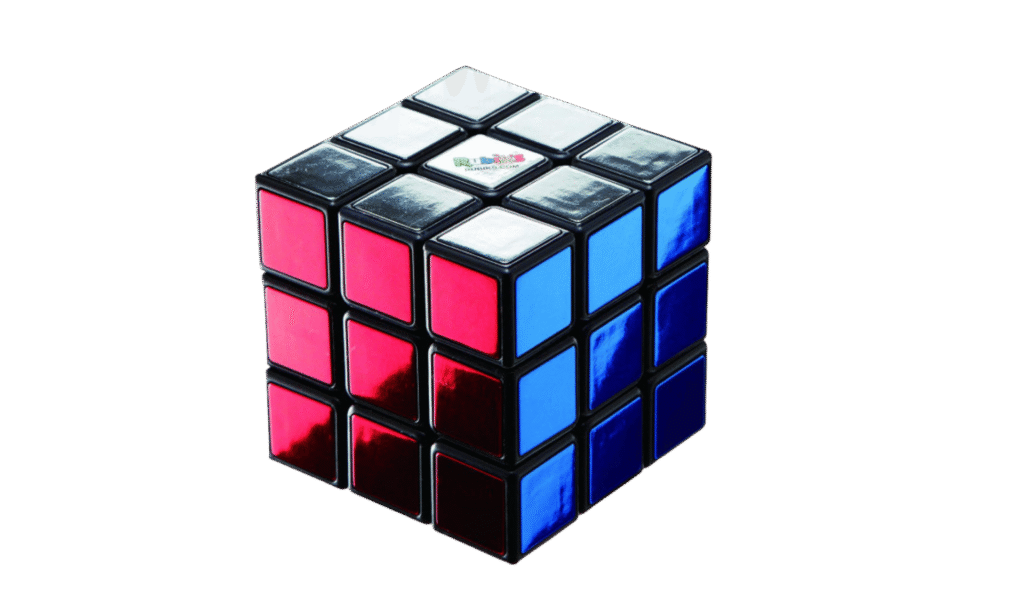
Sometimes the things that look like solitary obsessions are actually doorways into community.
Last weekend, my 14-year-old son, his 10-year-old brother, my wife and I went to his first World Cubing Competition in Toowoomba.
I knew there would be Rubik’s Cubes and some very fast young people. What I didn’t expect was to leave thinking so deeply about adolescent boys, belonging and what happens when a young person finds something that gives them a genuine place in the world.
More than 70 competitors, from about five years old to adults in their 70s, gathered in a parish hall. There were puzzles ranging from 2×2 cubes to enormous multi-sided challenges, but the classic 3×3 was the star.
The atmosphere was extraordinary.
A competitor sits down, inspects the scrambled cube and starts the timer. Then the hands begin moving — quickly, almost impossibly quickly. Fingers dance across coloured faces, accompanied by the soft mechanical hum of the cubes. Then suddenly: stop. Solved.
Most events use an “Average of 5”: five solves, with the fastest and slowest removed and the remaining three averaged. So success isn’t simply one spectacular performance. It is consistency, concentration, recovering from mistakes and trying again.
I volunteered as a runner and judge, ferrying cubes between competitors, judges and the “kitchen”, where they were scrambled according to specific algorithms. It felt like being a waiter in the world’s strangest restaurant.
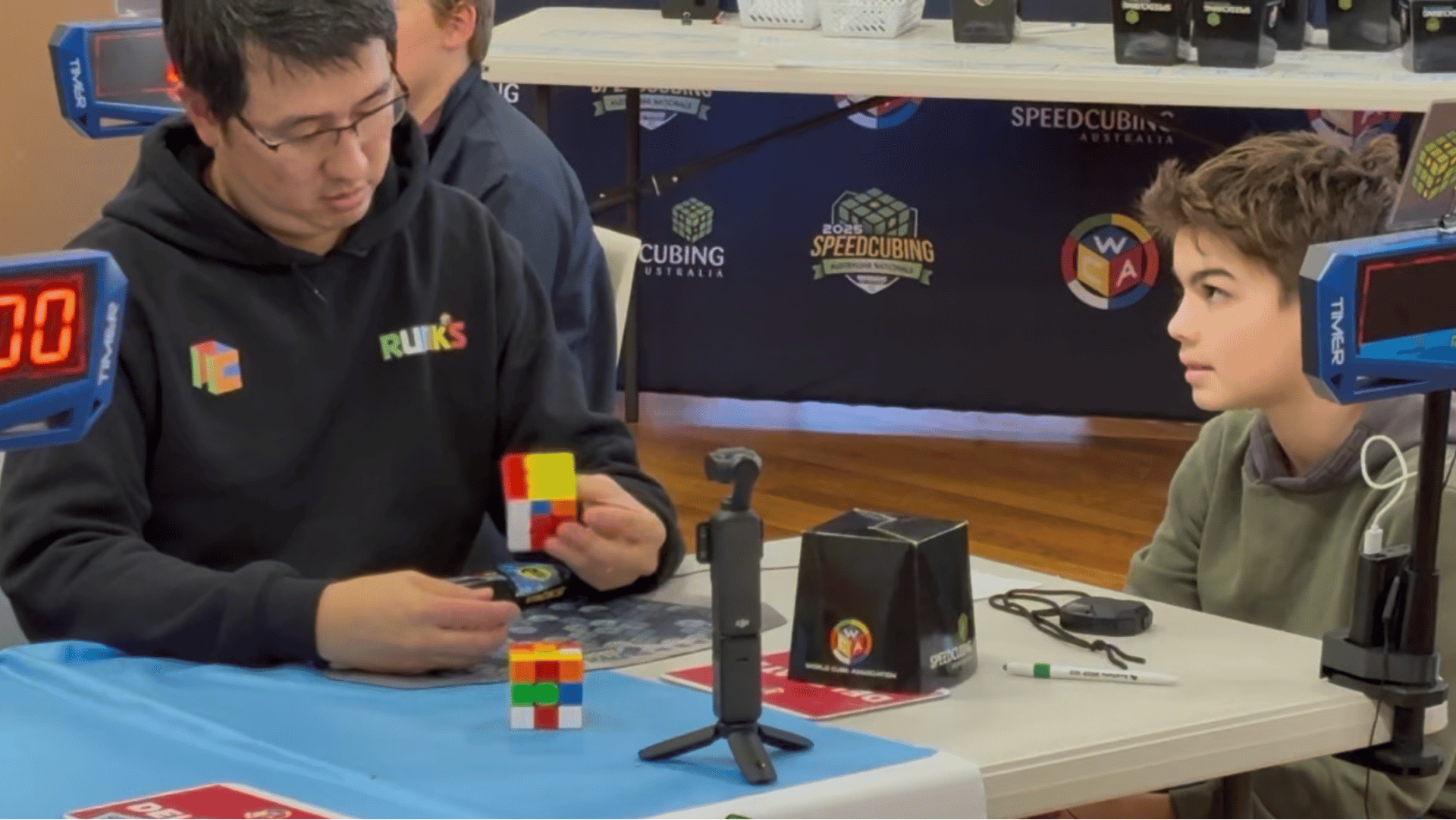
Pictured: Tingman with my youngest son as his judge!
But the real discovery came through conversations.
I asked competitors how they started, their personal bests and which cubes they preferred. Some serious cubers apparently progress from one cube to five, ten and eventually so many that counting becomes irrelevant.
Then conversations moved beyond cubing.
Several spoke about friendships and community. One young competitor told me he rarely left his room or home except to attend competitions.
That stayed with me.
Because cubing can look like a solitary hobby. Yet here was the other side: the cube was helping get young people out of the room and into community.
And this was a competitive environment without much hostility. I saw people striving for PBs, but also teaching, encouraging, laughing and congratulating each other.
Competitiveness without cruelty. Ambition without arrogance. Expertise without exclusion.
One young woman particularly impressed me. One of the few girls competing, she was confident and assertive, clear about her boundaries, yet generous toward younger competitors — happily demonstrating techniques and sharing a donut with my sons.
Then I met the early 20’s adult organisers. Many had started cubing when they were younger. One explained that initially it was all about PBs: getting faster, improving and mastering the puzzle. As he grew older, something changed.
It became more about friendship, community and connection.
That, for me, was the heart of the day.
There is a genuine cognitive dimension to cubing. Solving involves pattern recognition, spatial reasoning, memory, sequencing, attention and persistence. Research suggests cube training can support aspects of spatial cognition, although it would be overstating the evidence to call it a magical “brain-training” tool.
The bigger story may be social.
Adolescence is a time when belonging becomes enormously important — particularly for boys who may not readily say, “I’m lonely.”
They might instead say:
“I like Rubik’s Cubes.”
The activity becomes the doorway.
These are my people.
I have something I’m good at.
I have something to contribute.
I belong.
Standing in that parish hall, I realised the cube itself may not be the important thing.
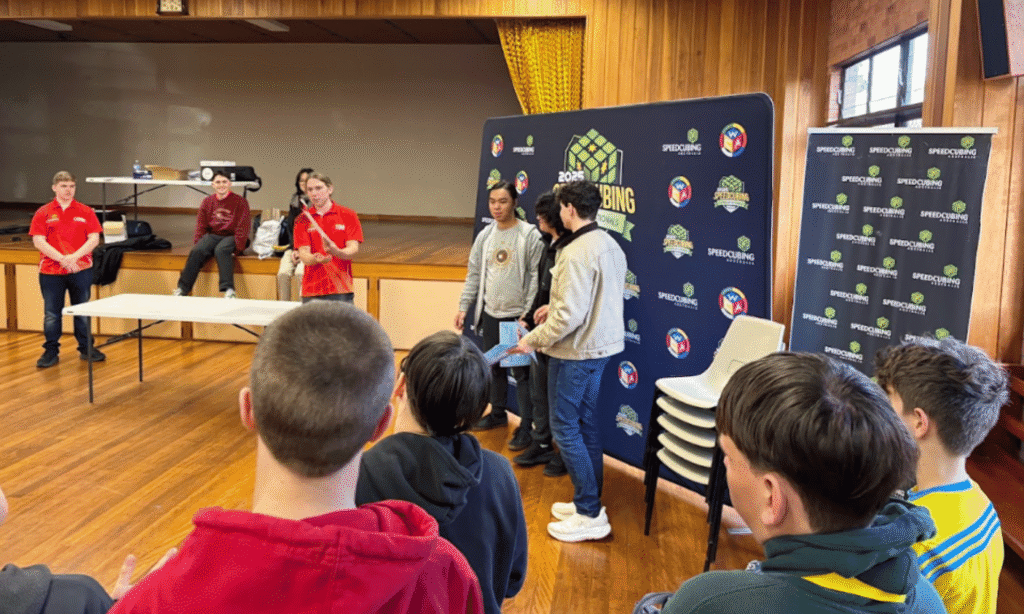
What matters is what happens around it.
A young person discovers something they love. They practise. They struggle. They improve. They meet others who share their passion. They learn to compete, lose, help — and eventually become the older person helping the next generation.
Perhaps that is the real magic of the Rubik’s Cube.
Not that it teaches us how to solve a puzzle, but that sometimes, solving a puzzle helps us find our people.
At Powerhouse Programs, we talk often about competence, confidence, identity and belonging.
Sometimes our job as parents isn’t to prescribe the activity.
It is simply to notice the spark — and help our child find where it can grow.
Because sometimes a hobby is just a hobby.
And sometimes it is a doorway.